
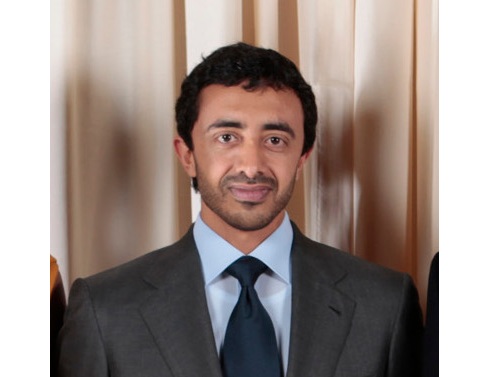
In a recent exchange, UAE Deputy Prime Minister and Minister of Foreign Affairs Sheikh Abdullah bin Zayed firmly denounced Iran’s missile and drone assaults on Kuwait, labeling them as acts of terrorism. This condemnation was voiced during a telephone call with Kuwaiti Foreign Minister Sheikh Jarrah Jaber Al Sabah, where the two leaders evaluated the regional security landscape following the attacks.
Following the incident, Kuwaiti authorities assured the public that their air defense systems had successfully intercepted the incoming threats, which included both missiles and drones. They clarified that the loud explosions heard by residents were due to these interceptions, not direct hits. Sheikh Abdullah reiterated the UAE’s unwavering support for Kuwait, asserting that the security of Kuwait is closely linked to that of the UAE and the broader Gulf region.
Meanwhile, this occurrence comes amidst ongoing diplomatic negotiations between the United States and Iran, with U.S. officials reporting some progress. However, any prospective agreements remain tentative and are pending final confirmation. This background of diplomatic talks highlights the delicate balance between seeking peaceful resolutions and addressing immediate security threats.
Adding to the complexity of the situation, tensions continue to simmer over maritime security issues in the Strait of Hormuz. Iran has voiced its disapproval of recent statements made by the U.S. regarding shipping security in the critical waterway, branding them as unlawful and contrary to international standards.
The UAE’s expression of solidarity with Kuwait highlights the increasing regional concern over stability and security. As the Gulf states navigate this challenging period, they must balance continued diplomatic engagements with addressing the heightened military tensions that currently characterize the region.