
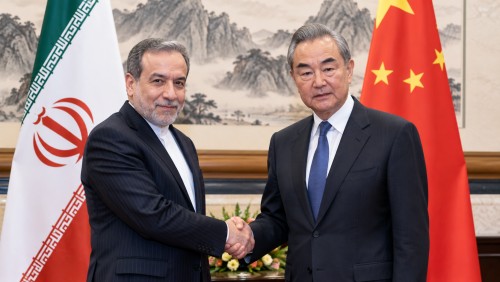
The call for diplomatic negotiations between Iran and the United States could help ease international tensions and stabilize critical global shipping routes, including the Strait of Hormuz, which is vital for energy supplies worldwide. Chinese Foreign Minister Wang Yi emphasized these points during discussions with his Iranian counterpart, Abbas Araghchi, in Beijing.
In the meeting, Wang Yi urged both Iran and the United States to exercise restraint and revisit their existing memorandum of understanding to rekindle a negotiation process. Highlighting the broader implications, Wang stressed that ongoing conflicts between Washington and Tehran are detrimental not only to the involved nations but also to the international community at large.
The Strait of Hormuz, a key artery for global oil shipments, has been a focal point for tensions. Wang called for its reopening and the maintenance of secure and accessible international shipping lanes. Stability in this waterway is deemed crucial for the global energy market and broader supply chains.
Further addressing regional stability, Wang encouraged countries in the area to prevent the spread of tensions to Yemen and the Red Sea. He advocated for resolving disputes through dialogue and negotiation, a sentiment echoed by the Iranian Foreign Minister.
Araghchi reiterated Iran’s willingness to reengage in diplomatic channels while safeguarding its national interests. He acknowledged the validity of the existing agreement with the U.S. and expressed a readiness to collaborate with regional partners to enhance security and relations. Iran also welcomed China’s initiatives aimed at bolstering peace in the Middle East, showing an openness to deepening cooperation with Beijing.