
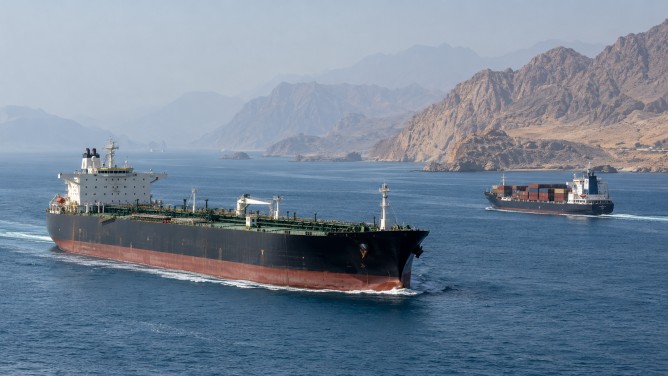
The potential reopening of the Strait of Hormuz, a crucial global shipping lane, hinges on the United States’ acceptance of Iran’s terms, according to Iranian Foreign Minister Abbas Araghchi. Araghchi indicated that the strait could reopen within six days if the U.S. agrees to Tehran’s conditions, which include lifting the blockade on Iranian ports, removing sanctions on oil exports, and ceasing hostilities in the region. Negotiations might resume on the seventh day if progress is made.
The ongoing negotiations face significant hurdles, primarily due to disagreements over Iran’s nuclear program. Washington insists that any talks must address nuclear issues, including uranium enrichment, from the start. In contrast, Tehran argues that discussions should initially focus on the reopening of the Strait of Hormuz and ensuring security in the strategically vital waterway.
The Strait of Hormuz is a pivotal artery for the global energy trade, previously facilitating about one-fifth of the world’s oil and liquefied natural gas shipments. Any extended disruption in its operation could have severe repercussions for international energy markets, highlighting the urgency of resolving the current impasse.
Iran’s Defence Minister Mehrdad Akhlaghi has issued a stern warning against renewed U.S. military action, suggesting that such a move would cause “enormous damage” to the United States and its allies in the region. Akhlaghi expressed confidence in Iran’s capability to respond to further attacks, underscoring the tense atmosphere surrounding the negotiations.
The path to de-escalation remains fraught with challenges, as both sides remain at odds over the conditions necessary to end hostilities. This division casts uncertainty over the future of negotiations and the reopening of the Strait of Hormuz, leaving a crucial question mark over the resolution of a conflict with significant global implications.