
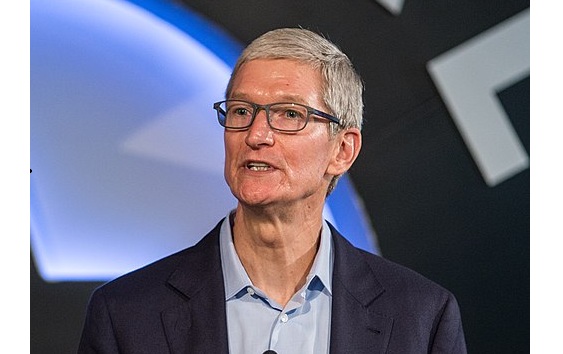
At the Worldwide Developer Conference (WWDC), Apple unveiled a comprehensive artificial intelligence strategy intended to transform its product ecosystem. This announcement, marked as Tim Cook’s final keynote as CEO, signals a significant shift in the company’s approach. Central to this development are platform-wide enhancements, improved trust and safety features, and a substantial revamp of Siri, which Apple’s software leaders describe as a significant progression in the voice assistant’s capabilities.
In addition to its AI initiatives, Apple previewed the next iterations of its operating systems across various devices, including the iPhone, iPad, Mac, Apple Watch, and Apple TV. These updates are designed to enhance performance, responsiveness, and integration within the Apple ecosystem. Key improvements feature quicker app launch times, advanced data processing, and revamped system scheduling that promises increased efficiency, even on older hardware.
A focal point of the announcement is Apple’s intensified focus on AI-powered capabilities through its “Apple Intelligence” framework. This system is set to merge on-device processing with cloud-based functions to offer more sophisticated reasoning, visual understanding, and contextual assistance across applications. As part of this initiative, Apple has outlined plans for a more advanced Siri that can grasp personal context, perform tasks across apps, and deliver more pertinent responses aligned with user activities. Furthermore, Siri will enhance continuity across Apple products, facilitating seamless device transitions during ongoing tasks.
Apple reinforced its dedication to privacy, assuring that user data will not be stored for AI training purposes and will be utilized solely for processing specific requests. The company also introduced expanded child safety and parental control features, enabling parents to better manage app usage, communication, and web access for their children on Apple devices.
The AI enhancements are scheduled to be released with upcoming operating system updates later this year. These developments aim to position Apple’s ecosystem for greater integration of generative AI, offering smarter interactions for users across its range of devices.