
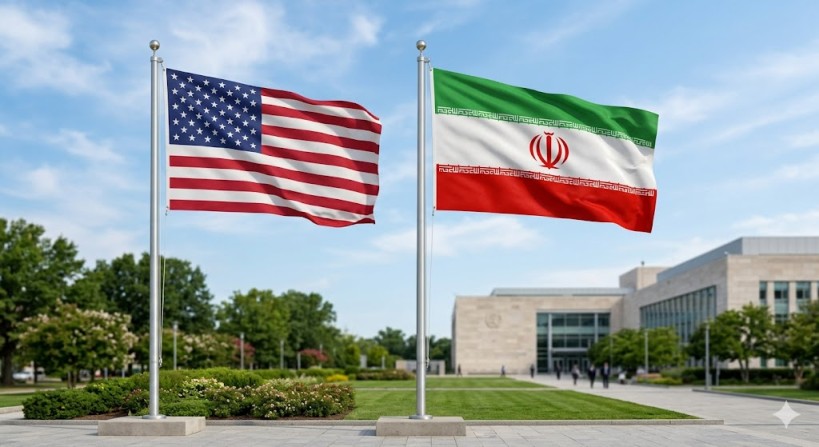
Efforts to diffuse Middle Eastern tensions through negotiations between the United States and Iran have encountered challenges, with little headway made this week. Despite persistent attempts to prolong a ceasefire agreement, substantial progress remains elusive. President Donald Trump indicated that talks with Iran are nearing conclusion, yet Iranian Foreign Minister Abbas Araghchi reported no major breakthroughs. Communication continues indirectly via mediators, though significant hurdles persist.
A primary sticking point is Iran’s insistence on establishing a ceasefire in Lebanon before committing to a broader deal with the U.S. The prospective agreement seeks to extend the existing truce and reopen the strategically vital Strait of Hormuz. However, the situation in Lebanon remains volatile, with ongoing clashes between Israeli forces and Hezbollah, an Iran-supported group. Hezbollah has dismissed a U.S.-endorsed ceasefire proposal, and hostilities continue to flare in southern Lebanon.
The uncertainty surrounding these negotiations and the situation in Lebanon has reverberated through global energy markets. Investors are closely watching developments at the Strait of Hormuz, a pivotal corridor for international oil shipments. Any disruption in this region could significantly impact global energy supplies and prices, highlighting the broader implications of the ongoing tensions.
As diplomatic efforts persist, regional and international stakeholders are keen to avert further escalation and achieve a comprehensive agreement that might stabilize the prevailing situation. The emphasis remains on securing a resolution that could prevent more conflict and sustain peace in the region.