
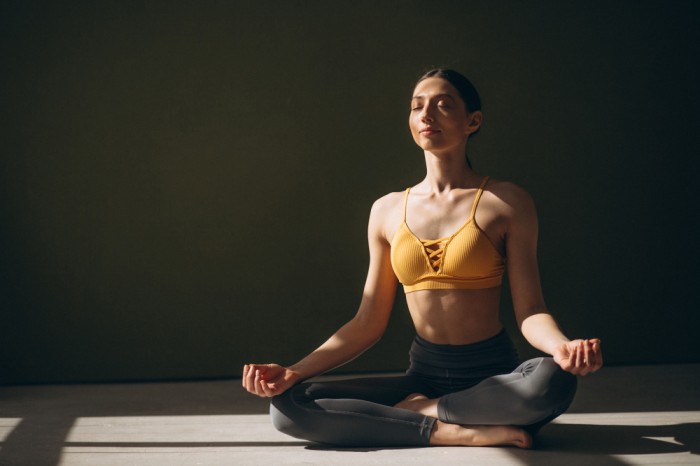
Yoga, a practice integrating gentle movements and mindful breathing, has emerged as a beneficial tool in managing the ebb and flow of emotions such as happiness, stress, anxiety, sadness, and frustration. By promoting relaxation and enhancing body awareness, yoga offers a pathway to reconnect with oneself and attain a sense of emotional equilibrium. Each pose serves a unique purpose, addressing specific emotional states and fostering a more serene mindset.
The Cobra Pose, or Bhujangasana, is particularly effective for alleviating sadness. This gentle backbend, coupled with slow, deliberate breathing, opens the chest and instills a sense of lightness, helping to release physical tension. For those seeking to cultivate gratitude, the Easy Pose with Heart Focus, known as Sukhasana, provides an opportunity for self-reflection and appreciation, as sitting comfortably and engaging in mindful breathing brings attention to the present moment.
When anxiety strikes, the Butterfly Pose, or Baddha Konasana, can serve as a grounding technique. By focusing on the body and breath, this calming posture can instill a feeling of stability amidst overwhelming thoughts. Similarly, Warrior II, or Virabhadrasana II, is a powerful pose that fosters focus and balance, building strength and confidence during times of uncertainty.
To combat stress, Child’s Pose, or Balasana, offers a relaxing retreat. This posture allows both the body and mind to slow down, with deep breathing facilitating the release of tension and promoting comfort. For those feeling overwhelmed, Legs Up the Wall, or Viparita Karani, provides a restorative respite. This position requires minimal effort and, within a few quiet minutes, can significantly reduce mental fatigue and induce calm.
Anger can be addressed through the Seated Forward Fold, or Paschimottanasana, which encourages a measured, reflective state. This pose aids in relaxing the body, offering a peaceful pause during intense emotional experiences. While yoga may not completely eliminate challenging emotions, it provides a constructive means to acknowledge feelings, relax the body, and enhance emotional awareness.