
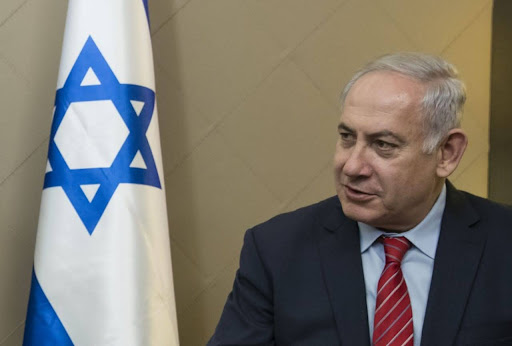
In a confident and wide-ranging press conference on Friday, Israeli Prime Minister Benjamin Netanyahu stated that Iran no longer possesses the capacity to enrich uranium or produce ballistic missiles after twenty days of warfare. He firmly pushed back against what he labeled as fake news suggesting Israel had drawn America into its fight with Iran. The Israeli leader projected strong optimism about the war’s trajectory, suggesting an end may come sooner than the world expects.
Netanyahu was direct in addressing questions about US involvement, insisting that the bilateral coordination between himself and President Trump was born of genuine strategic alignment, not Israeli pressure. He quipped that nobody tells Donald Trump what to do, highlighting the American president’s well-known independence. According to Netanyahu, Trump himself was already deeply aware of the threat posed by Iran’s nuclear ambitions before any Israeli briefings.
The prime minister confirmed Israel’s unilateral action against the South Pars gas compound in Asaluyeh, one of Iran’s most critical energy assets. He revealed that Trump had asked Israel to pause further attacks on Iranian gas fields, a request Netanyahu acknowledged publicly. The disclosure underlined the complex and closely coordinated nature of the American-Israeli relationship throughout this conflict.
Netanyahu dismissed Iran’s threats to seal off the Strait of Hormuz as desperate blackmail that would not succeed. He proposed building overland pipelines as alternative export routes stretching from the Arabian Peninsula through to Israeli Mediterranean ports. Such infrastructure, in his view, would permanently diminish Iran’s ability to threaten global energy supplies through maritime pressure.
Commenting on internal Iranian dynamics, Netanyahu said he was observing significant cracks within the country’s new ruling structure. He noted that Mojtaba, the expected successor to the supreme leader position, had not appeared publicly since the war began. Netanyahu interpreted these signs as indicators of deepening instability that could accelerate the conflict’s end.