
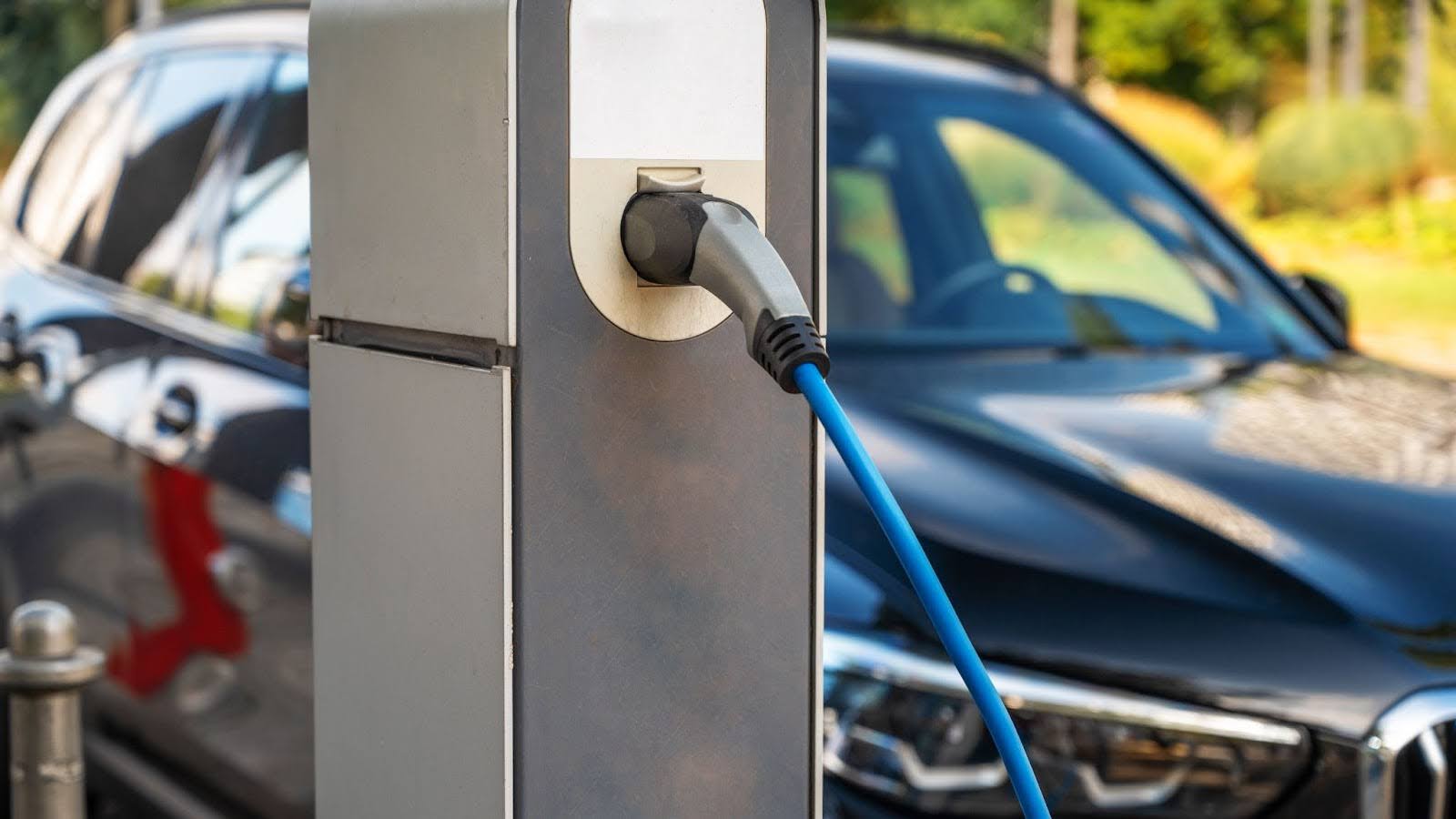
The Iran conflict has created the most defining moment US interest in electric vehicles has experienced in the history of the American EV market. Gasoline at $3.90 per gallon — driven by the closure of the Strait of Hormuz, through which roughly one-fifth of global oil flows — has generated a 20 percent surge in EV searches over three weeks, confronting American consumers, automakers, policymakers, and infrastructure investors simultaneously with the same essential question: what kind of transportation future does America choose?
The defining quality of the moment stems from the unusual convergence of forces it represents. Consumer motivation has never been more financially direct or personally felt. The used EV market at sub-$25,000 prices has never been more accessible or better stocked with quality vehicles. The global demonstration of what electrification can achieve — from Norway’s near-complete elimination of gasoline car sales to China’s dominance in affordable EV production — has never been more clearly visible. And the cost of failing to choose electrification — geopolitical oil vulnerability, military entanglement, household financial exposure to distant conflicts — has never been more personally and painfully demonstrated.
CarEdge’s Justin Fischer documented the consumer signal: immediate, powerful, and genuine. Edmunds’ Jessica Caldwell explained why it is potentially more durable than previous waves: the used EV market now provides accessible product to meet motivated demand in a way that previous high-gas-price moments did not. Don Francis of the EV Club of the South embodied the cross-political resonance of the current moment: a conservative veteran’s family member who sees EV adoption as both financial pragmatism and national security strategy.
The defining moment is not asking Americans to choose on behalf of the environment or the climate or the technology. It is asking them to choose on behalf of their household budgets, their energy security, and their immunity from the geopolitical disruptions that a waterway in the Persian Gulf can impose on daily American life within 48 hours. At $3.90 per gallon, the financial argument for that choice has never been more immediate or more compelling.
What America does with this defining moment — in policy, in manufacturing investment, in infrastructure commitment, and in individual purchasing decisions — will shape the country’s transportation system, energy security, and economic resilience for a generation. The moment is here, the choice is clear, and US interest in electric vehicles is providing the answer in the most powerful terms the market has yet generated.