
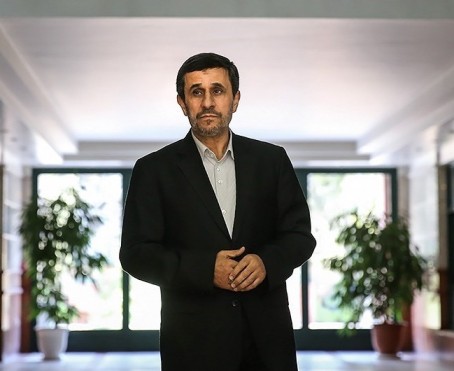
Recent developments have cast doubt on US and Israeli strategies aimed at toppling the Iranian regime, with claims emerging that Israel had intentions to empower Mahmoud Ahmadinejad. Ahmadinejad, who served as president of Iran from 2005 to 2013, was known for his aggressive rhetoric against Israel but later positioned himself as a critic of Iran’s leadership and an advocate for the impoverished. Allegations have surfaced suggesting that Israel bombed a security facility near his residence in Tehran to assist his escape from house arrest, although Ahmadinejad reportedly grew apprehensive about the operation.
The claims have been met with skepticism, with many viewing them as unlikely or as potential disinformation from Ahmadinejad’s followers or Israeli intelligence. Nonetheless, this situation highlights the overestimation by the US and Israel of the opposition to Iran’s regime and their capabilities to dismantle it through military strikes. Meanwhile, President Donald Trump, amid domestic discontent over climbing gas prices, has shown a desire to withdraw from the conflict but is contemplating further airstrikes to pressure Tehran into acquiescing to his conditions.
President Trump mentioned that he postponed a new attack following the intervention of Gulf leaders, but engaged in a detailed discussion with Israeli Prime Minister Benjamin Netanyahu about possibly resuming military actions. When questioned about Israel’s potential unilateral actions against Iran, Trump expressed confidence in Netanyahu’s alignment with his directives, calling him “a great guy.” Trump reiterated his desire for the unrestricted passage through the Strait of Hormuz, dismissing any urgency due to political pressures.
Iran, meanwhile, remains firm in its stance, refusing to adhere to US demands concerning domestic uranium enrichment. Tehran aims to delay negotiations on its nuclear program, focusing instead on lifting sanctions in exchange for ending its blockade of the Strait of Hormuz. The US has imposed a counter-blockade on Iranian ports to curb oil shipments, predominantly sold to China, Iran’s primary export market. The Islamic Revolutionary Guard Corps has warned of expanding the conflict beyond the region should the US resume its attacks.
Iranian media has expressed skepticism about the reports, denying that Ahmadinejad was ever under house arrest. During initial Israeli strikes on Tehran in late February, there were rumors in Iranian media of Ahmadinejad’s death, but it was later confirmed that a security post near his residence was attacked, leading to minor injuries for him and fatalities among his bodyguards. Despite his contentious relationship with the regime, Ahmadinejad’s alignment with Israeli interests seems improbable due to his history of Holocaust denial and anti-Israeli policies. Although once arrested for criticizing the government, Ahmadinejad has been largely inactive politically, barred from running for presidency again, and has recently made a rare visit to pro-Israel Hungary.