
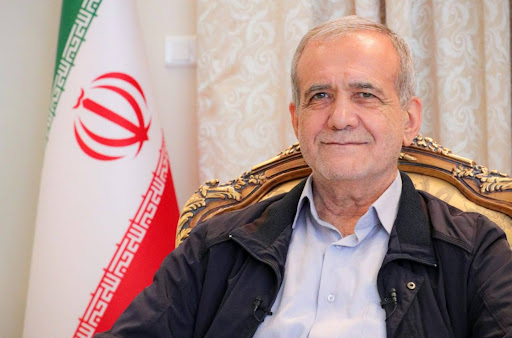
Iranian President Masoud Pezeshkian has sent a message echoing across a region at war, telling Gulf nations to change course and stop hosting US and Israeli military operations or face the ongoing consequences. His post on X came over a month into the Iran-US conflict and was addressed to Gulf governments whose decisions he says are shaping the war’s direction. Pezeshkian’s message was a final appeal to regional reason and solidarity.
Gulf nations including Saudi Arabia, the UAE, Kuwait, Qatar, and Oman have been pulled into the conflict through American military bases from which strikes against Iran have been launched. Tehran has retaliated by striking inside those countries, turning the Gulf into a secondary theater of a war that shows no signs of stopping. Gulf governments and populations are bearing a growing share of the war’s consequences.
Pezeshkian was clear: Iran does not initiate attacks and only retaliates when its economic or infrastructure assets are struck. He warned Gulf governments that allowing foreign forces to run the war from their territory makes them complicit in the conflict against Iran. His appeal to change course was both a warning and a call for regional leaders to reclaim their strategic independence.
Pakistan’s mediation has gained praise from Tehran. Prime Minister Shehbaz Sharif confirmed that Pezeshkian told him trust is the foundational element for any peace talks to take place. Pakistan’s foreign ministry has organized a multilateral ministerial meeting in Islamabad with the foreign ministers of Saudi Arabia, Egypt, and Turkey focused on pathways to de-escalation.
Pakistan’s Ishaq Dar will chair the talks and facilitate meetings with Prime Minister Sharif. Iran has praised Pakistan’s constructive and sincere role in the mediation process. The Islamabad meetings may represent the last best chance for the region to shift the conflict’s momentum away from military escalation and toward a genuine, negotiated peace.