
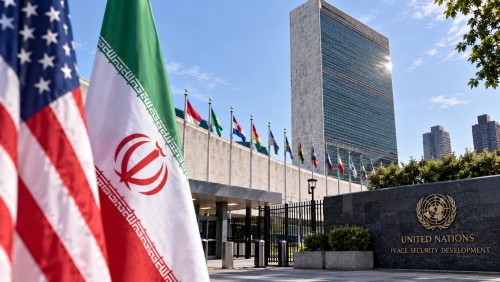
The United States has taken a pivotal step by allowing senior Iranian officials to attend the United Nations General Assembly in New York next week, a move that underscores its obligations as the host country despite ongoing tensions with Tehran. This decision could impact diplomatic relations as the U.S. and Iran continue to navigate a complex conflict that began earlier this year.
The U.S. State Department confirmed that a core Iranian delegation, including President Masoud Pezeshkian and Foreign Minister Abbas Araqchi, will be granted visas for the assembly. Although these officials are permitted to attend, they will still face U.S. travel restrictions and limitations on purchasing certain goods. These restrictions confine their movements to specific locations such as the UN headquarters, Iran’s UN mission, and the ambassador’s residence.
This development occurs amidst intermittent diplomatic efforts between Washington and Tehran aimed at resolving the conflict that erupted on February 28, following U.S. and Israeli military strikes on Iran. In retaliation, Iran launched attacks against Israel and several Gulf states that host U.S. military installations, further complicating international relations in the region.
The decision to allow the Iranian delegation reflects the United States’ adherence to the 1947 UN headquarters agreement, which typically grants foreign diplomats access to the UN. However, Washington maintains the right to deny visas on the grounds of security, terrorism, or foreign policy considerations.
In a contrasting move, the U.S. has decided to deny entry to Palestinian officials, including President Mahmoud Abbas, from attending the same UN General Assembly. This selective approach highlights the nuanced diplomatic challenges the U.S. faces in balancing international obligations with its foreign policy agenda.